内容
隐藏
How to Choose the Best PVC Coated Welded Wire Mesh Supplier from China?
Finding a PVC coated welded wire mesh supplier in China sounds simple. But comparing quotes without locking down specs first? That is where most buying mistakes begin.
The best way to choose a PVC coated welded wire mesh supplier from China is to make every quote comparable first. Lock down wire diameter, mesh opening, roll size, roll weight, and PVC coating requirements before you compare price or judge supplier reliability. Without this step, a lower quote often means a different product, not a better deal.
I have been on the factory side of this conversation for over two decades. Every week, I see buyers receive three or four quotes from different Anping suppliers and struggle to understand why prices differ by 15–30%. The answer is almost never "one factory is greedy." The answer is usually that the specs behind those quotes are not the same. Let me walk you through the steps that actually help you pick the right supplier—based on what I see working in real procurement situations.
Why Do PVC Coated Welded Wire Mesh Quotes from China Vary So Much?
Price gaps between Chinese suppliers confuse many buyers. But the root cause is rarely a mystery once you look at the specification details behind each quote.
PVC coated welded wire mesh quotes vary because suppliers often quote based on slightly different wire diameters, mesh openings, roll lengths, roll weights, or PVC coating thicknesses. A quote that looks cheaper may simply describe a lighter, thinner, or shorter product.1
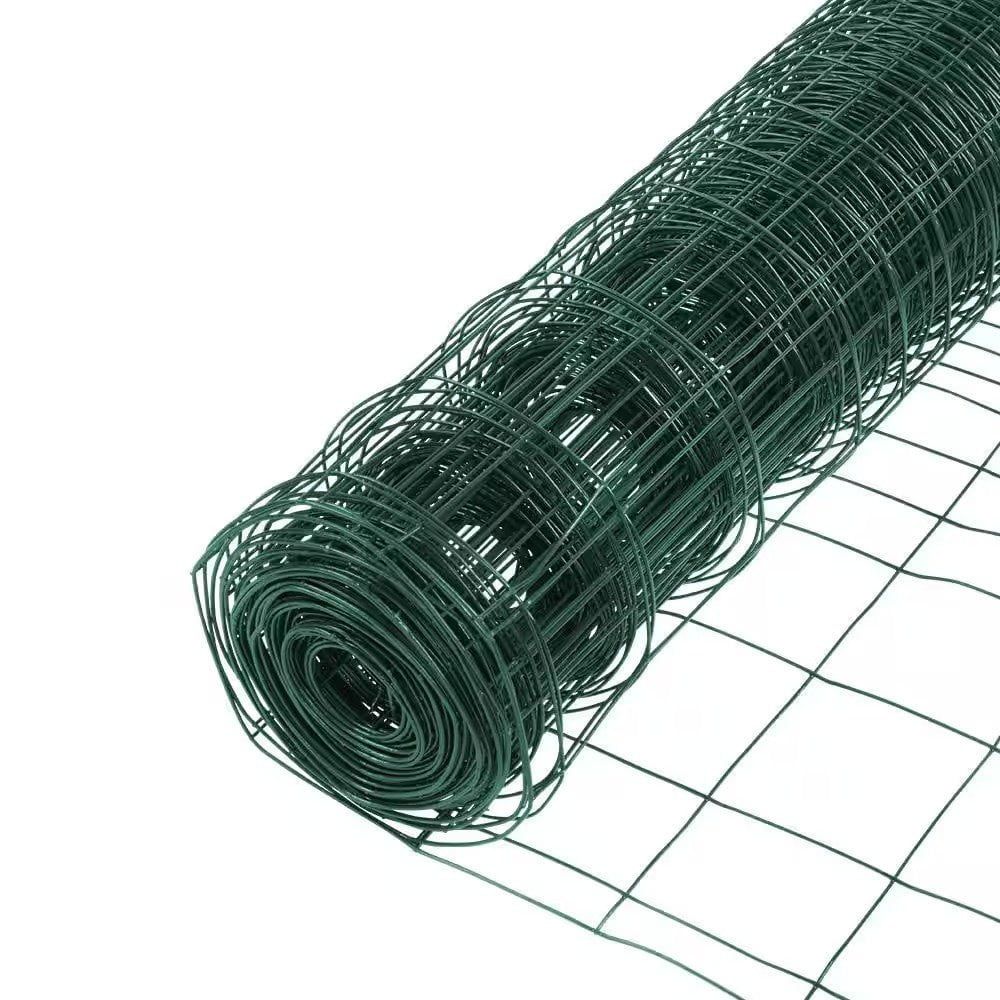
Let me break this down with a real example. Last month, a hardware importer from Southeast Asia sent me three quotes he received from other factories. He asked why our price was "higher." I asked him to send me the full spec sheet from each quote. Here is what I found:
Common Specification Differences That Affect Price
| Spec Parameter | Quote A (Cheapest) | Quote B (Mid-range) | Our Quote |
|---|---|---|---|
| Wire diameter before coating | 1.5 mm | 1.8 mm | 2.0 mm |
| Wire diameter after coating | 2.0 mm | 2.5 mm | 2.5 mm |
| Mesh opening | 50×75 mm | 50×50 mm | 50×50 mm |
| Roll length | 25 m | 30 m | 30 m |
| Roll weight | Not stated | 18 kg | 20 kg |
| PVC coating method | Not stated | "PVC coated" | Dip coating, min 0.3 mm thickness |
The cheapest quote used thinner wire, a different mesh opening, and a shorter roll. It was not a comparable product. The buyer was not comparing apples to apples. He was comparing apples to smaller apples in a different bag.
What Should You Fix Before Asking for Quotes?
Before you send inquiries, write down these parameters clearly:
- Wire diameter before PVC coating2 (the actual steel wire gauge)
- Wire diameter after PVC coating3 (this tells you the coating thickness)
- Mesh opening size (center to center, or inside to inside—specify which)
- Roll width and roll length
- Target roll weight (or at least ask each supplier to state it)
- Coating color and method (dip coating, spray, or extrusion4)
If you fix these before asking for quotes, every supplier is forced to quote the same product. Now you can compare fairly.
How Should You Check PVC Coating Quality Before Ordering?
PVC coating looks similar on the surface. Green is green. But coating quality varies a lot between suppliers—and between a sample and a bulk order.
To check PVC coating quality, ask the supplier how they define coating thickness, how they inspect adhesion, and how they keep consistency between sample and mass production. Do not rely only on color or visual smoothness.
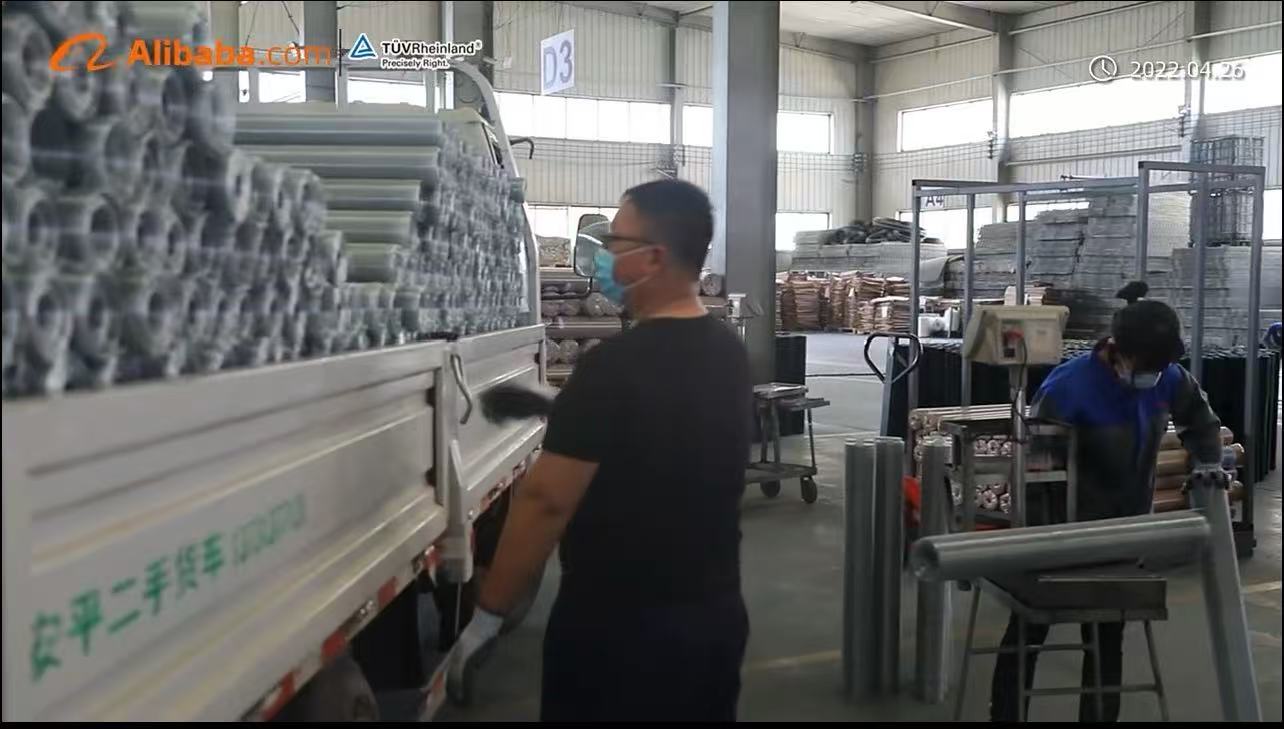
I have seen buyers approve a sample that looks perfect, then receive bulk goods with thinner coating, uneven coverage, or peeling at weld joints. This happens because the sample was made carefully by hand selection, but the bulk production line was not held to the same standard.
Key Questions to Ask About PVC Coating
| Question | Why It Matters |
|---|---|
| What is the minimum coating thickness? | Tells you if the coating is decorative or functional |
| How do you measure coating thickness? | Shows if the supplier has a real QC process |
| How do you test adhesion?5 | Peeling at weld points is a common complaint |
| Is the PVC UV-stabilized?6 | Important for outdoor fencing applications |
| Will coating color and thickness stay the same in bulk? | Separates reliable suppliers from sample-only performers |
What Does a Practical Coating Check Look Like?
From my experience, here is what a reasonable buyer can do:
- Request a cut sample from actual production, not a specially made show piece.
- Bend a coated wire at the weld point 90 degrees. If the PVC cracks or peels away from the weld, adhesion is weak.
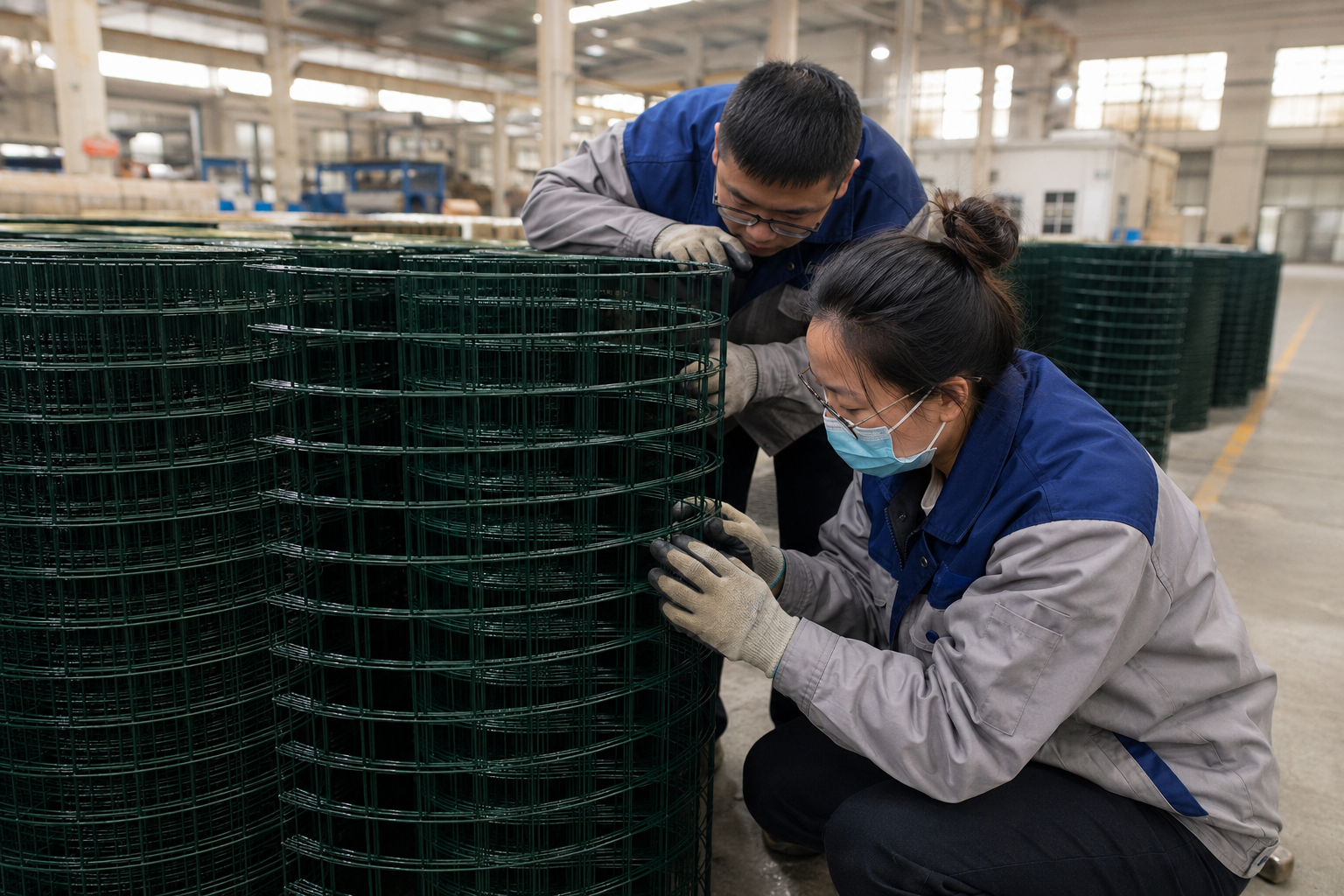
- Use a simple caliper to measure wire diameter before and after coating at several points on the sample. Calculate the difference. That gives you actual coating thickness.
- Ask the supplier to photograph or video their coating line. A factory that dip-coats has different equipment than one that sprays. The method affects uniformity.
You do not need a laboratory to catch major coating problems. But you do need to ask the right questions and physically check a sample before committing to a full container order.
What Makes a Supplier Reliable Beyond Just Saying "Yes, We Can Make It"?
Every supplier says yes to your inquiry. But a reliable supplier can explain how they will make it, check it, pack it, and ship it. That explanation is where you separate capable factories from trading companies or underprepared workshops.
A reliable PVC coated welded wire mesh supplier should be able to explain the link between your specification, their production process, their quality inspection steps, their packaging method, and their export execution—clearly and specifically, not in generic marketing language.
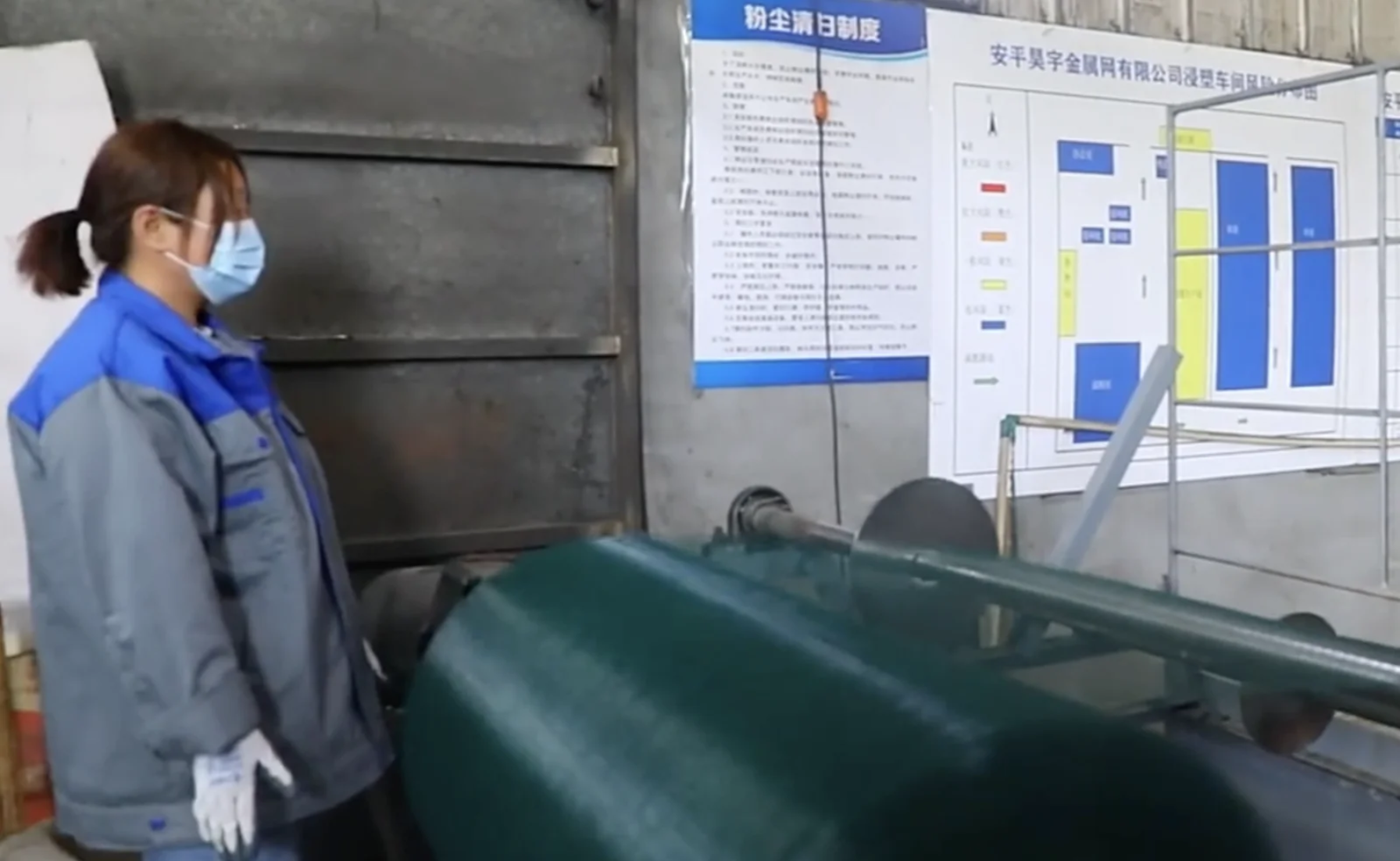
I deal with this every day. When a buyer asks me about a custom specification, I do not just say "yes." I explain which wire rod we will use, what our welding machine settings will be, how we will coat it, what we will check after coating, how we will roll and pack it, and what the container loading plan looks like. If a supplier cannot walk you through these steps, they may be reselling from another workshop without direct control over your order.
How to Test Supplier Knowledge in Practice
Here are questions I recommend asking any supplier you are considering:
| Your Question | What a Good Answer Looks Like |
|---|---|
| What raw material wire do you use? | Names wire rod grade, source region, or standard |
| How do you control weld strength? | Mentions machine type, electrode pressure7, or spot check method |
| How thick is the PVC coating, and how do you verify it? | States minimum thickness and measurement method |
| How do you package rolls for container shipping? | Describes roll wrapping, palletizing, or individual packaging based on your channel |
| Can you show inspection records from a recent order? | Provides photos, measurement logs, or third-party reports |
Red Flags to Watch For
- Supplier answers every question with "no problem" but gives no detail.
- Supplier cannot provide photos of their coating line or welding workshop.
- Supplier offers a price significantly below all other quotes without explaining why.
- Supplier is unwilling to send a production sample (only sends a "show sample" from stock).
None of these are proof of a bad supplier. But they are signals that you should dig deeper before placing an order.
How Do You Confirm Sample-to-Bulk Consistency Before Shipment?
Approving a sample is only the first step. The real risk for wholesalers, distributors, and e-commerce sellers is receiving bulk goods that do not match the approved sample.
To confirm sample-to-bulk consistency, agree on measurable acceptance criteria before production starts. Then ask for in-production photos, measurements, and a pre-shipment inspection against those criteria8.
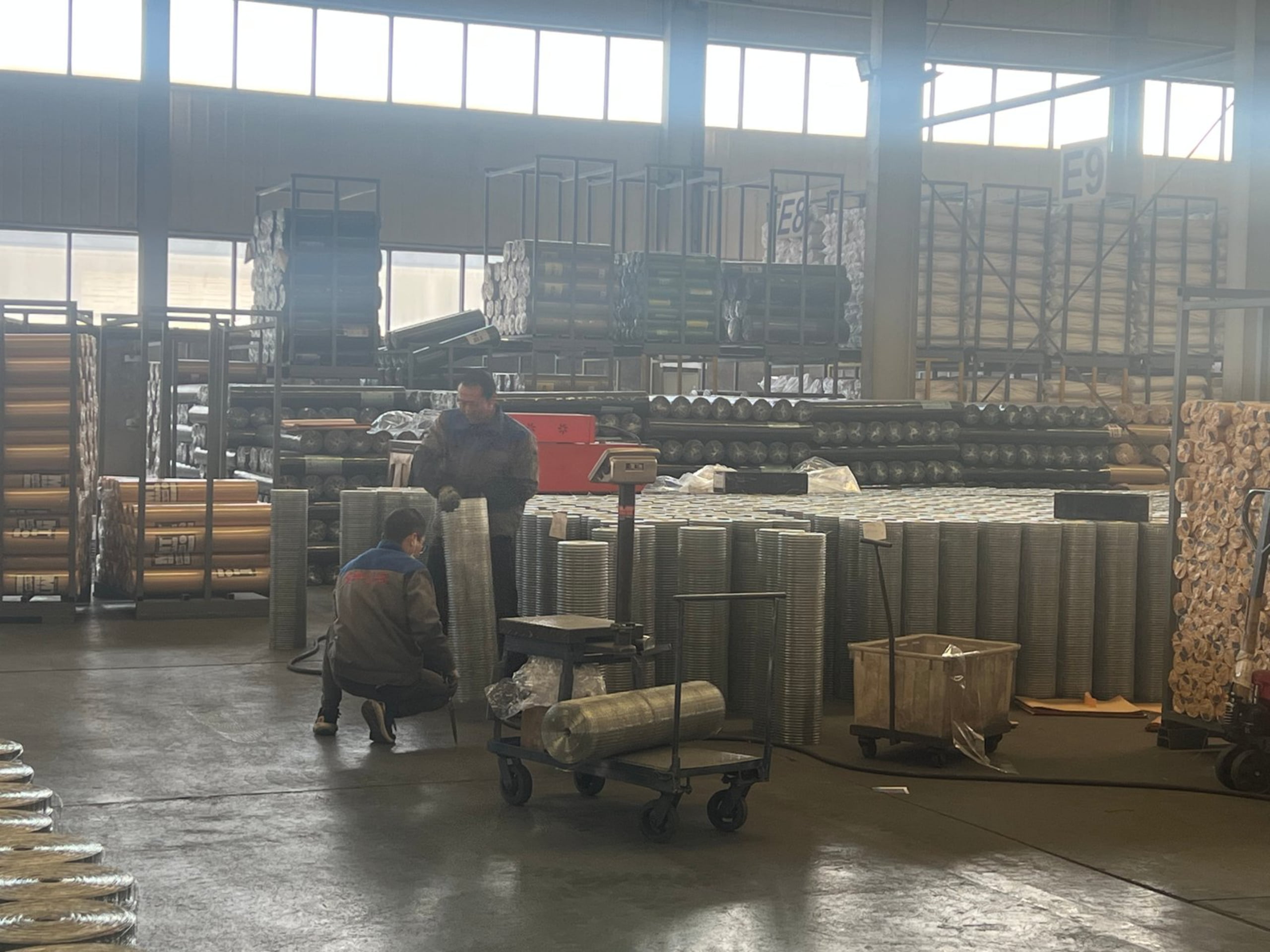
I have handled orders where the buyer approved a sample, we produced the full quantity, and everything matched. But I have also seen cases—at other factories—where buyers received goods that were slightly different: lighter rolls, thinner wire, or a different shade of green. The difference between these outcomes is whether the buyer set up a clear reference standard and verification step.
Steps to Lock In Consistency
- Keep a sealed reference sample. Ask the supplier to seal one sample at their factory and send one to you. Both sides agree this is the standard.
- Set measurable tolerances. For example: wire diameter ±0.05 mm, coating thickness ±0.05 mm, roll length ±0.5 m, roll weight ±0.3 kg.
- Request in-production photos at key stages. Welding, coating, cutting, rolling, and packing.
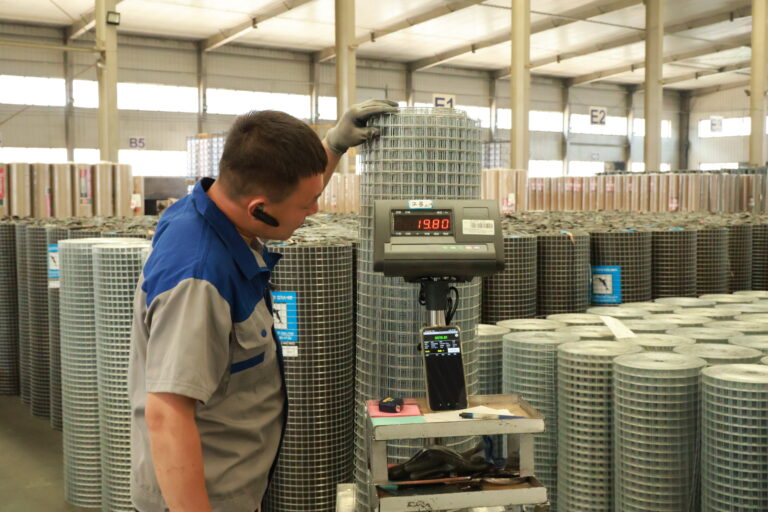
- Arrange a pre-shipment inspection. This can be done by your own agent, a third-party service, or by asking the supplier to send video and measurement photos with a caliper and scale visible.
Packaging and Labeling: Often Overlooked, Often Costly
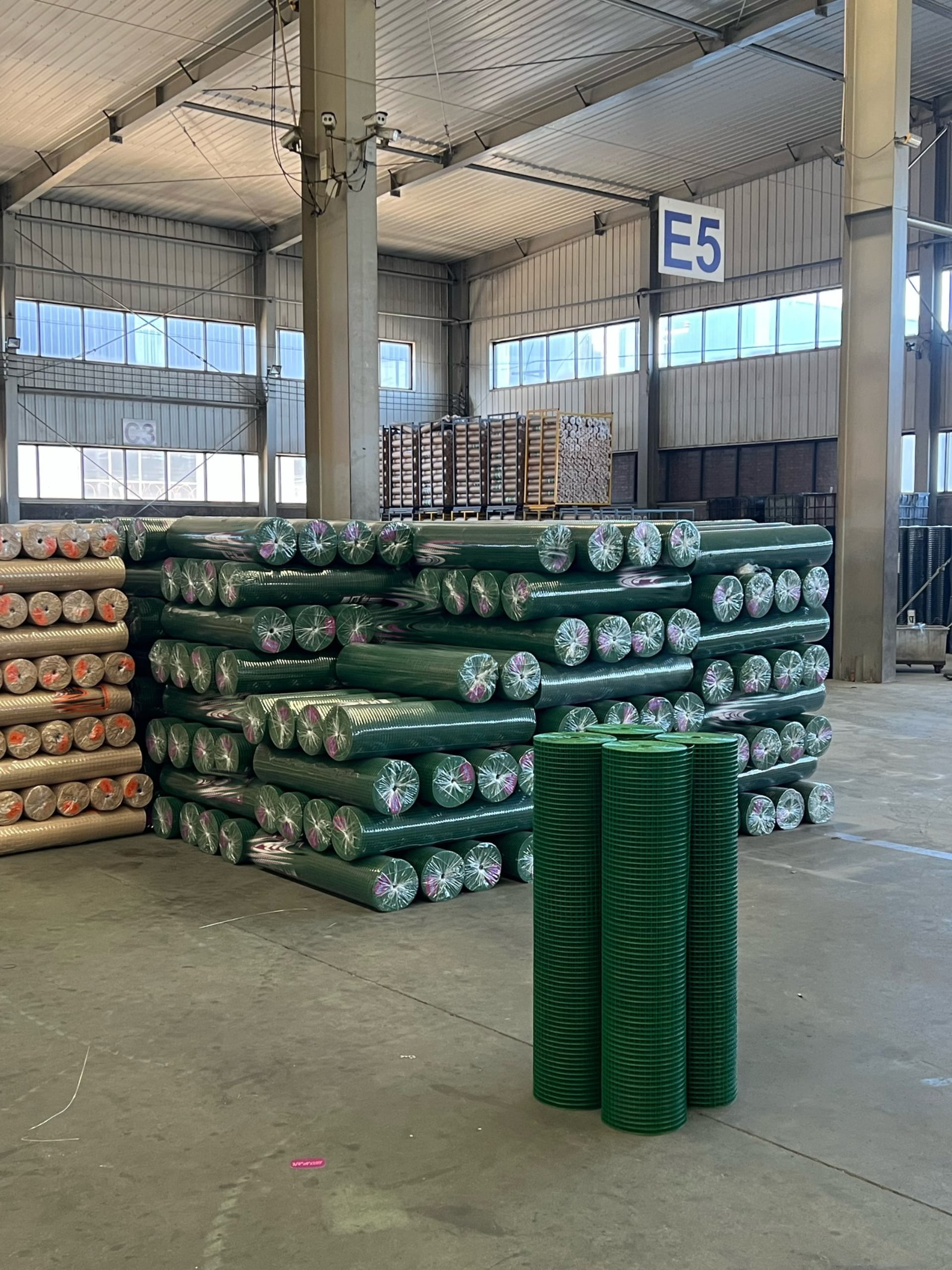
For wholesalers and e-commerce sellers, packaging is not just protection—it is part of the product. If rolls arrive with torn shrink wrap, dented edges, or missing labels, they cannot go directly to your customer or onto a retail shelf.
| Packaging Detail | Why It Matters for Your Business |
|---|---|
| Individual roll wrapping | Prevents surface scratches during transit |
| Labeling (size, weight, barcode) | Required by many retail or warehouse systems |
| Pallet vs. loose loading | Affects unloading cost and damage risk |
| Edge protection | Prevents bending of mesh at roll ends |
| Container moisture control9 | Avoids condensation damage on long sea shipments |
Discuss all of these before production, not after. A good supplier will ask you about your packaging needs. If they do not ask, you should bring it up yourself.
What Should E-commerce and Retail-Channel Sellers Pay Extra Attention To?
If you sell PVC coated welded wire mesh through Amazon, online hardware stores, or retail distribution, your requirements go beyond what a bulk construction buyer needs.
E-commerce and retail sellers should pay extra attention to roll dimensions that fit standard shipping boxes, accurate product labeling, consistent appearance across units, and packaging that protects during last-mile delivery10.
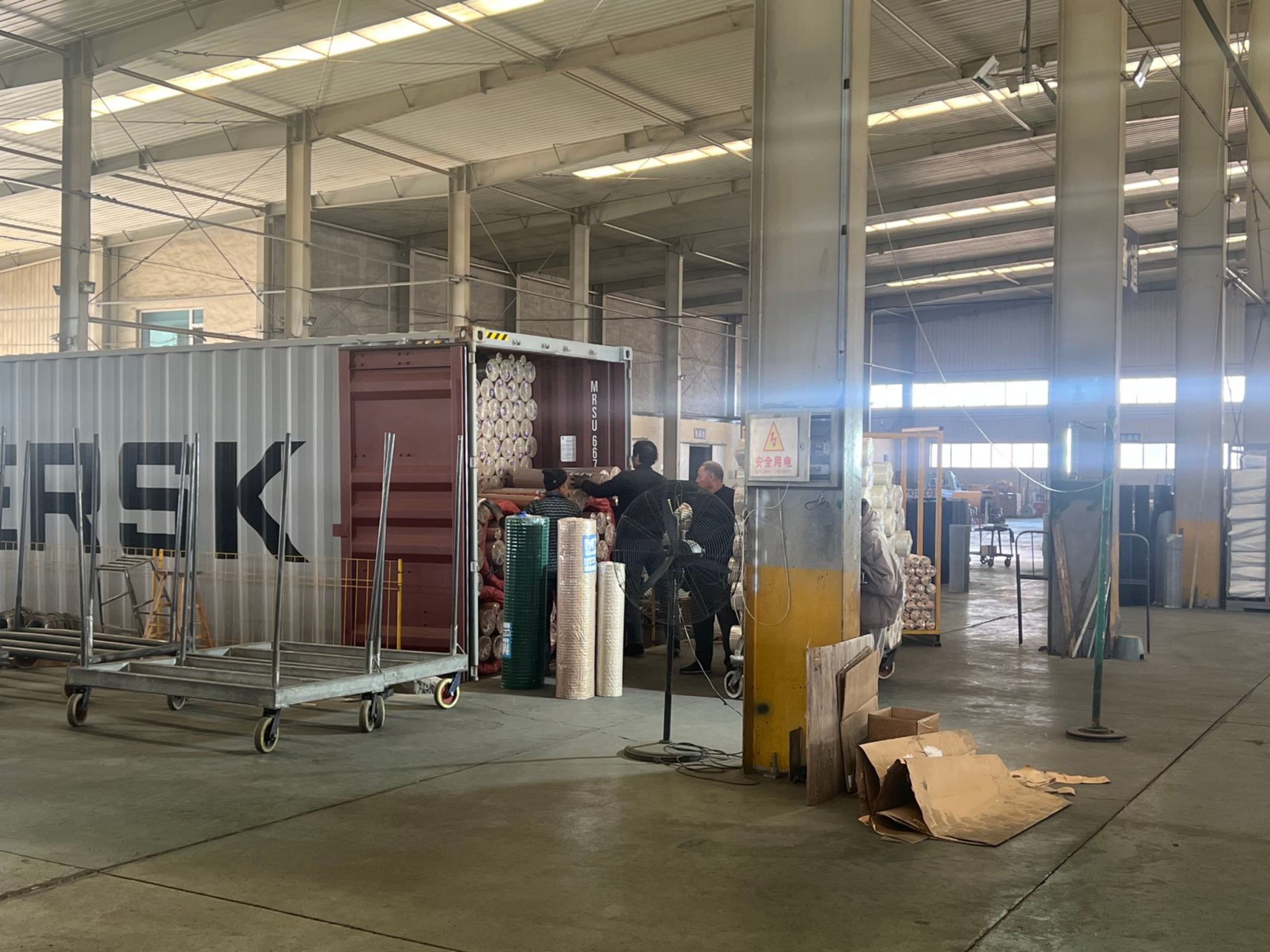
I have worked with several e-commerce sellers who source from us. Their pain points are different from a construction contractor buying 500 rolls for a single project. For e-commerce, every single roll matters because every single roll goes to a different end customer who might leave a review.
Specific Concerns for E-commerce Buyers
| Concern | What to Confirm with Your Supplier |
|---|---|
| Roll size consistency | Every roll must measure within tight tolerance for box fit |
| Appearance uniformity | Color, surface finish, and edge trimming must look the same across all units |
| Product weight accuracy | Listed weight on your product page must match actual roll weight |
| Individual packaging | Each roll needs its own wrap or box, not bulk stacking |
| Barcoding and labeling | Supplier should apply your UPC or SKU labels if needed |
How to Communicate These Needs Clearly
Do not assume your supplier understands retail or e-commerce requirements automatically. Many Chinese wire mesh factories are used to bulk orders for construction or agriculture. You need to explain:
- Your box dimensions and how the roll must fit inside.
- Your labeling format, including language, barcode type, and placement.
- Your acceptable defect rate per shipment (for example, less than 2% of rolls with any visible coating imperfection).
- Your photography needs if you want the supplier to send product photos for your listing.
The more specific you are upfront, the fewer surprises you get after the container arrives.
Conclusion
Choose your PVC coated welded wire mesh supplier by making every quote comparable first—lock specifications, verify coating quality, confirm consistency, and check packaging before you commit.
"[PDF] Department of Transportation", https://azmag.gov/portals/0/Documents/Specs_and_Details/2016Cases/Case_16-06_Update_to_Section_727_Steel_Reinforcement.pdf. Standards for welded-wire reinforcement, such as ASTM A1064/A1064M, treat wire size, spacing, and product dimensions as primary specification variables; because steel mass varies with wire cross-sectional area and length, different specifications can produce materially different products even when descriptions appear similar. Evidence role: mechanism; source type: institution. Supports: Welded-wire products are specified by wire size, spacing/opening, and dimensions, and changes in those parameters alter the quantity of material in the product.. Scope note: This supports the mechanism behind quote differences but does not provide direct pricing data for PVC coated welded wire mesh exports. ↩
"Standard Steel Welded Wire Mesh From Mexico - Federal Register", https://www.federalregister.gov/documents/2021/04/12/2021-07448/standard-steel-welded-wire-mesh-from-mexico-countervailing-duty-order. Technical standards for steel wire products specify nominal wire diameter as a basic dimensional characteristic of the metallic wire; this distinguishes the load-bearing steel core from any subsequently applied protective or decorative coating. Evidence role: definition; source type: institution. Supports: Wire standards specify metallic wire diameter as a basic dimensional property, separate from any applied coating.. Scope note: The source would define the dimensional concept rather than address this specific supplier-selection scenario. ↩
"COATING THICKNESS CALIBRATION STANDARDS", https://www.metallurgy.nist.gov/techactv1995/coatstand.html. Coating-thickness standards such as ISO 2808 describe dimensional methods for determining film thickness; for coated round wire, the difference between coated and uncoated diameters provides a practical estimate of total coating build. Evidence role: mechanism; source type: institution. Supports: Coating thickness can be assessed as a dimensional difference between a substrate and the coated article, subject to measurement limits.. Scope note: This is contextual support because a simple diameter-difference check assumes a roughly concentric coating and is less precise than dedicated coating-thickness instruments. ↩
"The Thickness and Structure of Dip-Coated Polymer Films in ... - PMC", https://pmc.ncbi.nlm.nih.gov/articles/PMC9318159/. Materials-engineering references on polymer coatings describe dip coating, spray coating, and extrusion coating as distinct application processes whose flow, deposition, and curing conditions influence coating thickness and uniformity. Evidence role: mechanism; source type: education. Supports: Coating application methods influence film build, coverage, and uniformity.. Scope note: The source would support the general coating mechanism rather than compare particular Chinese suppliers or production lines. ↩
"Standard Test Methods for Rating Adhesion by Tape Test - ASTM", https://www.astm.org/d3359-23.html. Coating standards such as ASTM D3359 and ISO 2409 provide methods for assessing adhesion of coatings to substrates, confirming that adhesion is a recognized quality attribute rather than only a visual concern. Evidence role: definition; source type: institution. Supports: Coating adhesion is a recognized performance property with standardized test methods.. Scope note: These standards are general coating tests and may need adaptation for flexible PVC-coated wire mesh geometry. ↩
"Protection of Poly(Vinyl Chloride) Films against Photodegradation ...", https://pmc.ncbi.nlm.nih.gov/articles/PMC7240378/. Research on PVC weathering shows that ultraviolet radiation can initiate photodegradation in polyvinyl chloride, while stabilizer systems are commonly used to improve resistance to outdoor exposure. Evidence role: mechanism; source type: paper. Supports: PVC can degrade under ultraviolet exposure, and stabilizers are used to improve weathering resistance.. Scope note: This supports the material-science rationale for asking about UV stabilization, not the actual UV resistance of any specific mesh order. ↩
"[PDF] Pressure Resistance Welding of High Temperature Metallic Materials", https://inldigitallibrary.inl.gov/sites/sti/sti/4886653.pdf. Resistance-welding research identifies electrode force as a major process variable because it affects contact resistance, heat generation, and weld-nugget formation, all of which influence weld quality and strength. Evidence role: mechanism; source type: research. Supports: Electrode force or pressure influences heat generation, contact resistance, nugget formation, and weld strength in resistance welding.. Scope note: Most resistance-welding literature addresses spot welding broadly; application to welded wire mesh is by process analogy. ↩
"[PDF] ISO 2859-1 - UNT Chemistry", https://chemistry.unt.edu/~tgolden/courses/iso2859-1.pdf. Acceptance-sampling standards such as ISO 2859 describe inspection of product lots against specified criteria, providing a formal basis for checking whether bulk goods conform before acceptance or shipment. Evidence role: general_support; source type: institution. Supports: Inspection against defined criteria and sampling plans is a recognized method for assessing lot conformity before acceptance.. Scope note: The standard supports the inspection principle but does not guarantee that any single pre-shipment inspection will detect all defects. ↩
"Moisture in Sea Containers: What causes the problems and how to ...", https://vtechworks.lib.vt.edu/items/4704e691-22ae-4710-802b-c083693450da. Marine-cargo guidance on container condensation describes how temperature fluctuations can produce container sweat or cargo sweat, creating moisture that may damage goods, packaging, or corrosion-prone materials during ocean transport. Evidence role: mechanism; source type: institution. Supports: Temperature changes and humidity inside shipping containers can cause condensation, which may damage cargo or packaging.. Scope note: This supports the general shipping risk; the degree of risk for PVC-coated mesh depends on packing materials, voyage route, container condition, and exposure duration. ↩
"Where Do Your Delivery Boxes End Up? Optimizing the Lifecycle of ...", https://scm.mit.edu/news-and-events/where-do-your-delivery-boxes-end-up-optimizing-the-lifecycle-of-last-mile-packaging/. Package-performance standards such as ISTA test procedures and ASTM D4169 model distribution hazards including drops, vibration, compression, and handling impacts, supporting the need for packaging designed for parcel and last-mile delivery conditions. Evidence role: general_support; source type: institution. Supports: Parcel and e-commerce packaging is tested against distribution hazards such as drops, vibration, compression, and handling impacts.. Scope note: These standards support packaging-risk assessment generally and do not specify an exact package design for PVC coated welded wire mesh rolls. ↩