内容
隐藏
Wire Mesh Production Cost Breakdown: Why Is One Quote Cheaper Than Another?
A low wire mesh quote can look attractive. The problem starts when the product arrives thinner, lighter, weaker, or packed in a way that does not fit resale.
Wire mesh cost is driven by specification.1 Wire diameter, mesh opening, roll size, unit weight, coating, production loss, packaging, and freight terms all change the final price.2 A cheaper quote may mean less steel, thinner coating, lighter packaging, or different delivery terms.
I have handled many quotation discussions with importers, wholesalers, and hardware distributors. I have learned one simple thing. The real cost is often hidden inside the details. A product name like welded wire mesh or galvanized mesh is not enough. I need the full specification before I can say whether one price is really lower.
Why Can Two Wire Mesh Quotes Look the Same But Cost Different?
Many buyers compare only the product name. That creates risk. A quote that looks cheaper may not be based on the same mesh, weight, coating, or packing.
A wire mesh quote can differ because suppliers may quote different wire diameters, mesh openings, roll widths, roll lengths, surface treatments, packaging, loading methods, and trade terms. The headline product name may be the same, but the actual product may not be equal.
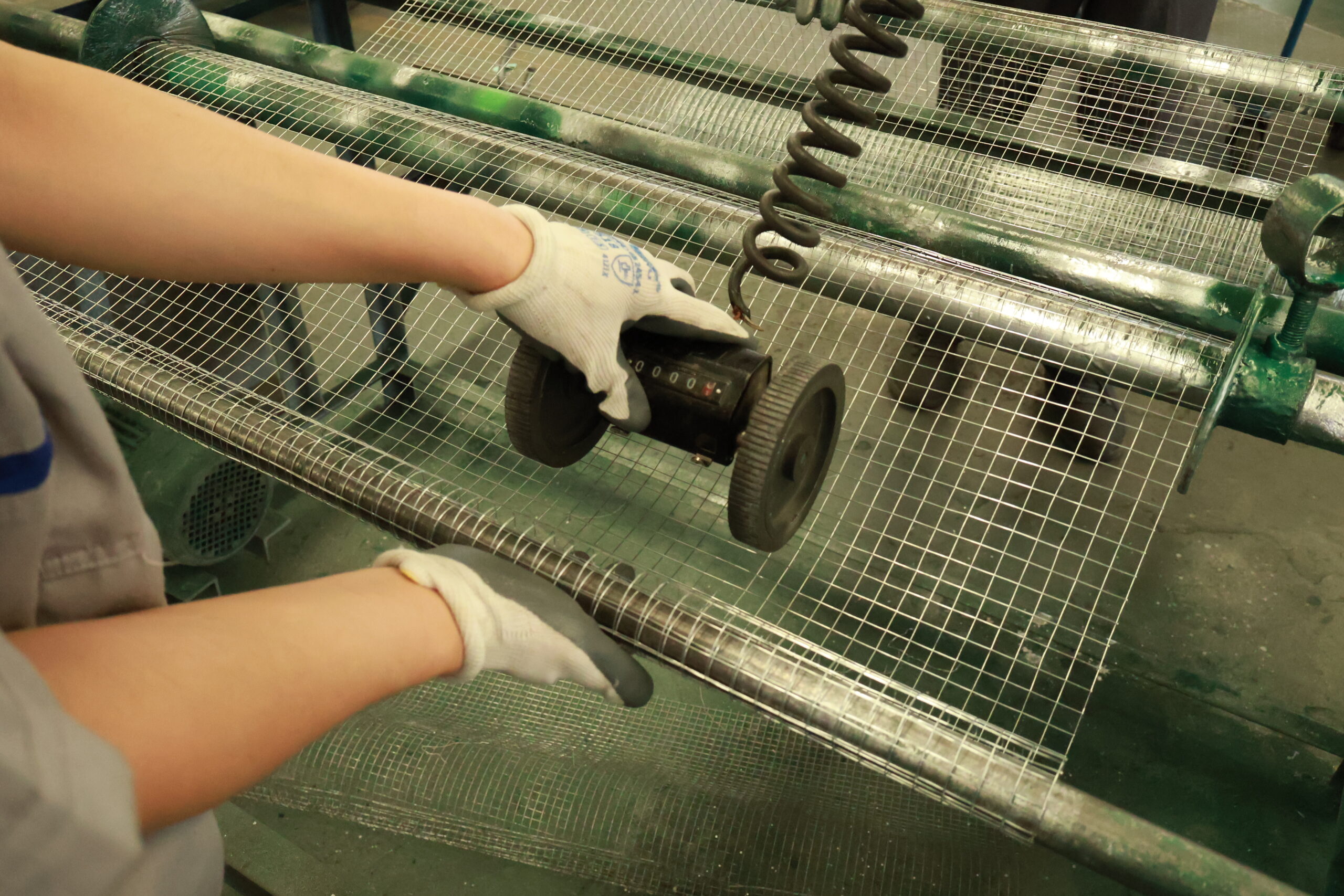
In my daily factory work, I often receive inquiries that say only “galvanized welded wire mesh, 1 meter by 30 meters.” This is not enough for a safe quotation. I still need wire diameter, mesh opening, galvanized type, roll weight target, packing request, and destination port. If I do not ask these questions, I may quote a product that is not what the buyer expects. If another supplier quotes with a lighter wire or different coating, the price can look better on paper.
A real comparison must start from the same base. I usually ask buyers to confirm each line before price comparison.
| Cost item | What I check | Why it matters |
|---|---|---|
| Wire diameter | Actual diameter before or after coating | It changes steel weight directly |
| Mesh opening | Distance between wires | It changes wire quantity per roll |
| Roll size | Width and length | It changes total area and weight |
| Surface treatment | Galvanized, PVC coated, or both | It changes cost and service life |
| Packaging | Paper, film, pallet, label, carton | It changes cost and damage risk |
| Trade terms | EXW, FOB, CFR, CIF | It changes who pays which cost |
I do not say a low price is always wrong. Sometimes a factory has better material purchasing, better production planning, or a better loading plan. But I always suggest checking whether the comparison is equal. If two quotations are not based on the same specification, the lower price may not show better factory strength. It may only show a lighter product.
How Does Wire Diameter Change Wire Mesh Cost?
A small wire diameter difference can create a large price gap. This is one of the most common reasons behind confusing wire mesh quotations.
Wire weight is related to diameter squared. If wire diameter changes from 2.0 mm to 1.9 mm, while mesh count and roll size stay the same, steel weight drops by about 9.75%3. The quote can look cheaper because it uses less steel.
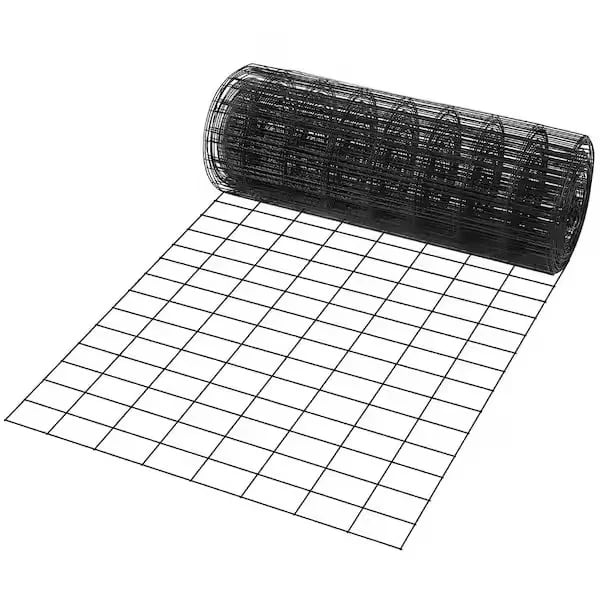
I pay close attention to wire diameter because steel weight is usually the largest cost base for many wire mesh products. Many buyers think 0.1 mm is a small difference. In production cost, it is not small. The reason is simple. Wire weight does not move in a straight line with diameter. It moves with diameter squared. So a small diameter change can create a clear weight change.
For example, if the diameter moves from 2.0 mm to 1.9 mm, the comparison is based on 1.9² divided by 2.0². That means 3.61 divided by 4.00. The weight becomes about 90.25% of the original. The steel weight drops about 9.75%. If the mesh opening and roll size stay the same, the product looks almost the same from far away, but the cost base changes a lot.
| Diameter change | Weight effect | What it may mean in quotation |
|---|---|---|
| 2.0 mm to 1.9 mm | About 9.75% less steel | Lower price may come from lighter wire |
| 1.6 mm to 1.5 mm | Clear weight reduction | Roll may feel softer or lighter |
| 1.2 mm to 1.1 mm | Large practical difference | Suitability may change for end use |
I often ask buyers whether they need nominal diameter or actual diameter. I also ask whether the diameter is before galvanizing, after galvanizing, before PVC coating, or after PVC coating. This detail matters. PVC coated wire can look thick from the outside, but the inner steel wire may be smaller. If a buyer only compares outside diameter, the steel content may be very different. This is why I prefer clear drawings, samples, or written tolerance ranges before production.
What Production Steps Add Cost After Raw Wire?
Some buyers believe raw material is the only cost. That view is risky. Production work, loss, surface treatment, inspection, and packing all affect the final price.
Wire mesh cost includes steel wire, wire drawing, welding or weaving, trimming, production loss, surface treatment, inspection, packing, handling, and loading. Different mesh types also need different machines, labor control, and quality checks.
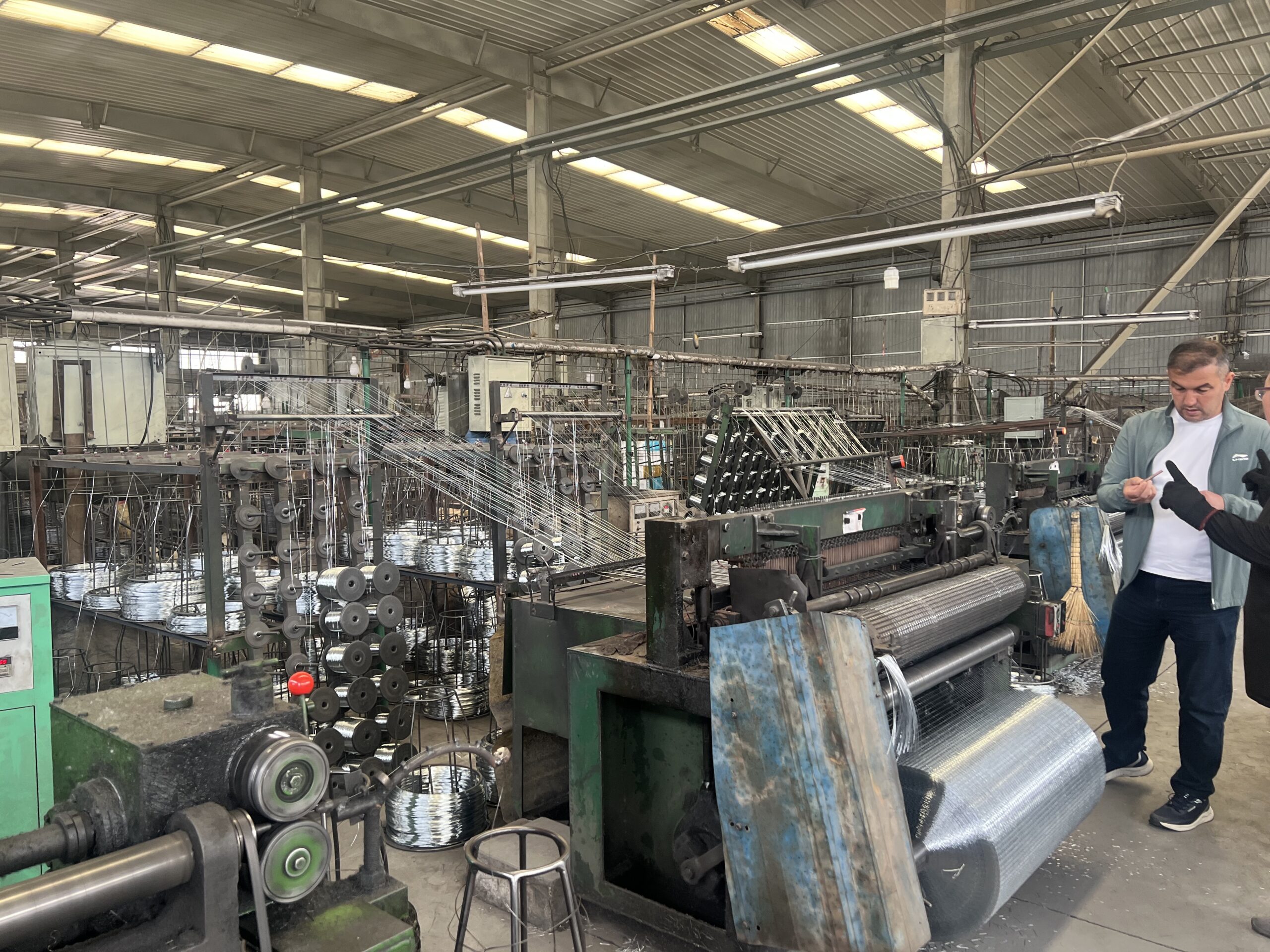
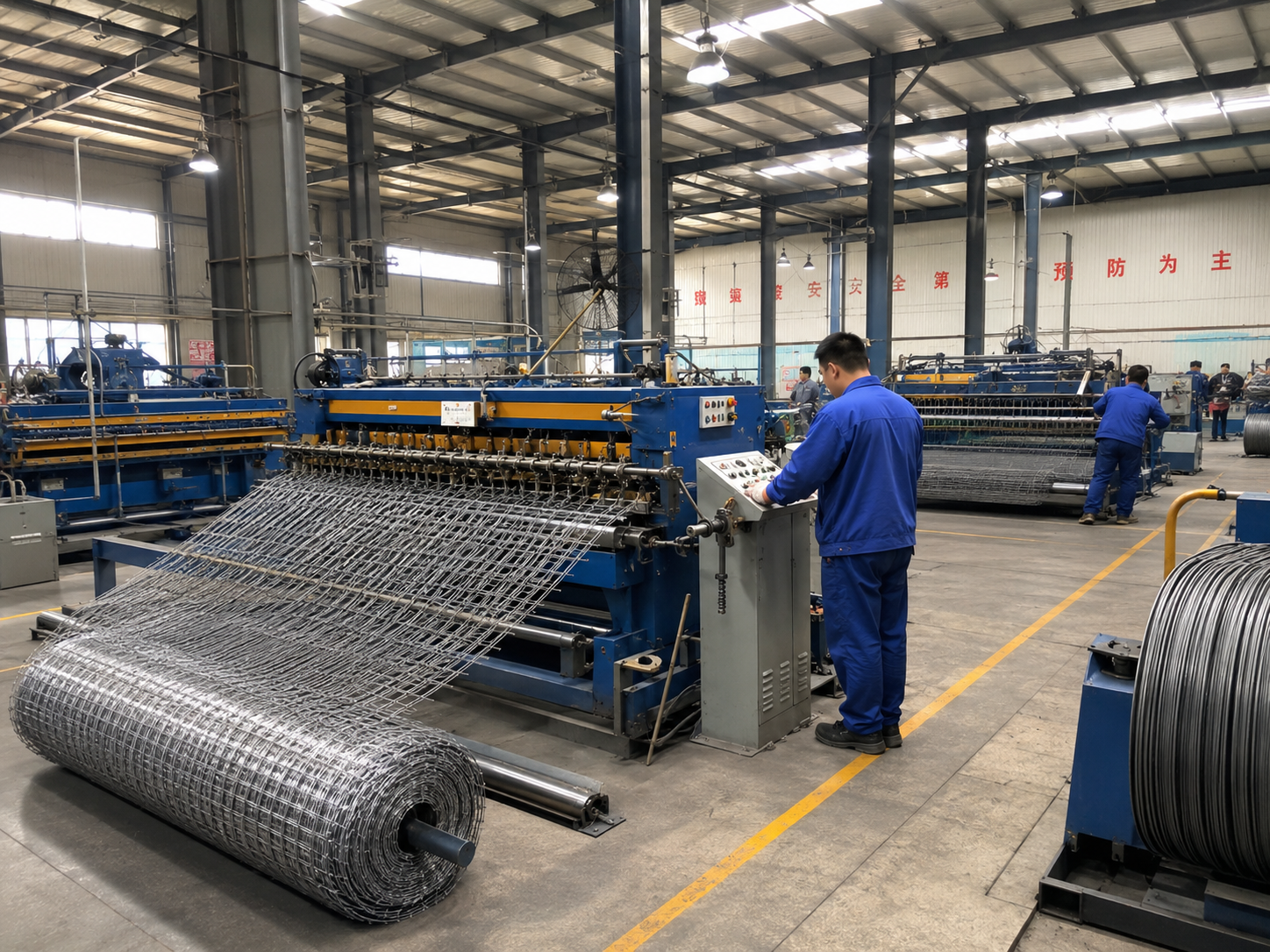
In my factory quotation work, I never stop at raw steel cost. Raw material is important, but it is only one part. A welded wire mesh roll needs wire preparation, machine welding, edge control, roll forming, inspection, and packing. A hexagonal wire mesh or chain link fence needs weaving control. A fiberglass screen or aluminum window screen has another process. Each product has its own production logic.
Welded wire mesh cost changes with welding speed, wire straightness, mesh accuracy, and roll tension. If the wire is too hard, welding stability can suffer. If the mesh opening is small, the machine speed may be slower. If the roll width is wide, handling is harder. These details create real production cost.
| Product type | Main process | Cost points I watch |
|---|---|---|
| Welded wire mesh | Wire drawing, straightening, welding, rolling | Welding speed, wire loss, mesh accuracy |
| Hexagonal wire mesh | Wire feeding, twisting, weaving, rolling | Twist quality, wire tension, edge shape |
| Chain link fence | Wire feeding, weaving, knuckling or twisting | Mesh size, height, selvage, compact packing |
| Hardware cloth | Fine welded mesh production | Small openings, accuracy, roll flatness |
| Window screen | Weaving or forming screen fabric | Flatness, width control, packing protection |
Production loss is also real. Wire ends, trimming, machine adjustment, test runs, and rejected parts all have cost.4 If a specification is common, the production loss may be easier to control. If the order is customized with special width, special roll length, special color, or private label packing, the setup cost and waste risk can increase.
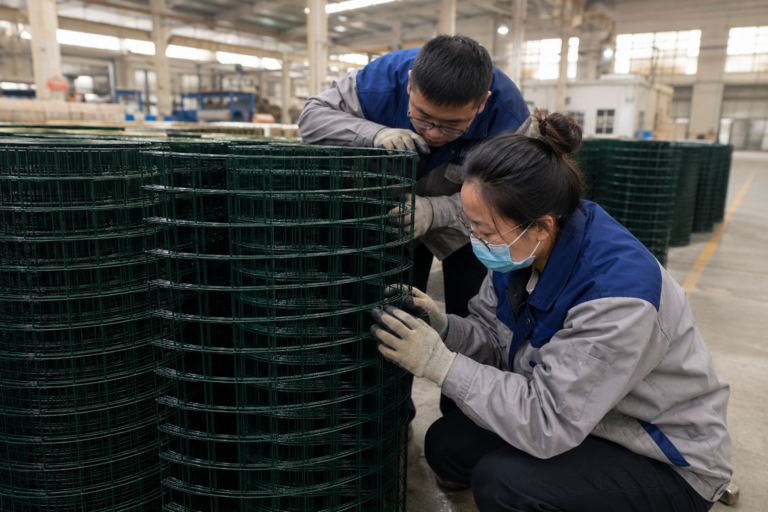
Inspection also takes time. I check diameter, mesh opening, roll width, roll length, surface, weight, and packing. For export orders, stable inspection reduces customer complaints. It is not just a formality. It protects the buyer and the factory. A quote that ignores inspection and proper packing may look lower, but the hidden risk moves to the buyer.
Why Are Galvanizing And PVC Coating Not Small Add-Ons?
Coating is easy to overlook. The problem appears later when the mesh rusts early, peels, cracks, or fails the customer’s basic expectation.
Galvanizing and PVC coating change cost because coating thickness, zinc layer, PVC material, color, adhesion, surface finish, and corrosion resistance expectations all matter. They are not minor add-ons when the buyer needs stable outdoor use or resale quality.
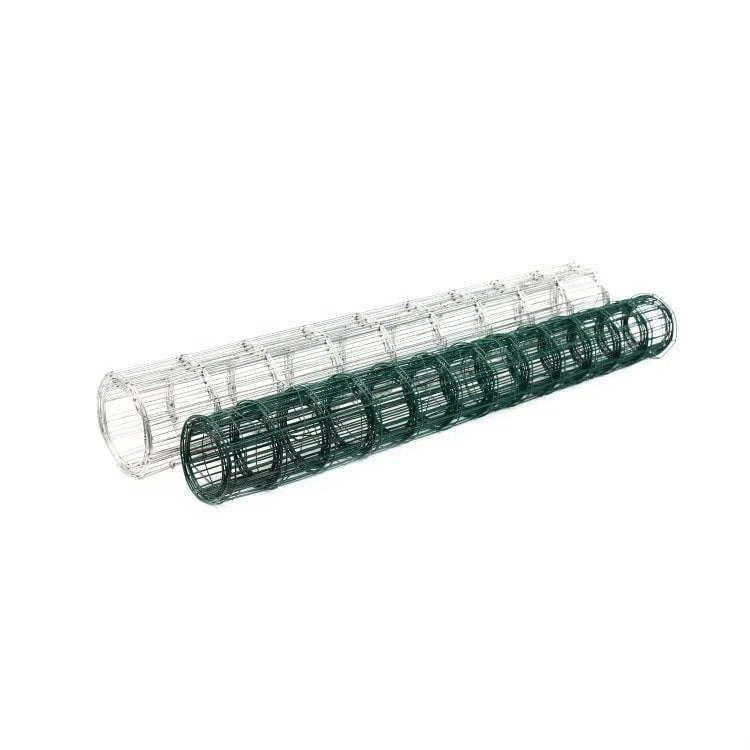
I often see buyers compare galvanized wire mesh only by roll size and mesh size. That is not enough. Galvanized wire mesh can be made with different zinc coating levels.5 Some products use electro galvanized wire. Some use hot dipped galvanized wire.6 Some are galvanized before welding. Some are galvanized after welding. These choices affect appearance, rust resistance, and cost.7
PVC coated wire mesh also needs careful checking. The outside diameter may look large, but the inner steel wire may be smaller. The PVC layer may be thick or thin. The plastic material may be more flexible or more brittle. The color may be standard green, black, gray, or another custom color. Outdoor use may need better UV resistance.8 Each choice can change cost.
| Surface treatment | What I confirm | Main risk if unclear |
|---|---|---|
| Electro galvanized | Zinc level and surface finish | Lower corrosion resistance than expected |
| Hot dipped galvanized | Zinc coating and process route | Price gap and surface difference |
| Galvanized before welding | Wire is coated before welding | Weld points may need attention |
| Galvanized after welding | Mesh is coated after welding | Higher process cost in many cases |
| PVC coated | Inner wire, outer diameter, PVC thickness | Less steel inside or weak coating |
| Galvanized plus PVC | Both steel protection and plastic layer | Cost changes with both layers |
I do not treat coating as decoration only. For fencing, agriculture, construction protection, and outdoor retail products, coating affects the life of the product. It also affects customer complaints. If a buyer wants the lowest price for short-term indoor use, a lighter coating may be acceptable. If the buyer sells to contractors or hardware stores, stable surface quality may matter more. I always ask about the end use before I recommend a coating method.
A low coating cost is not always bad. It may fit the product position. But I need the buyer to know what is being purchased. If the quotation does not state coating method, zinc level, inner wire diameter, outer diameter, or color standard, the buyer cannot compare it fairly.
How Should Buyers Compare Wire Mesh Quotations Fairly?
A quick price comparison can save time. It can also create mistakes. The safe way is to compare the same specification line by line.
I suggest buyers compare wire mesh quotes by confirming wire diameter, mesh opening, roll size, unit weight, surface treatment, tolerance, packaging, loading quantity, payment term, and trade term.9 Equal specifications make price comparison meaningful.
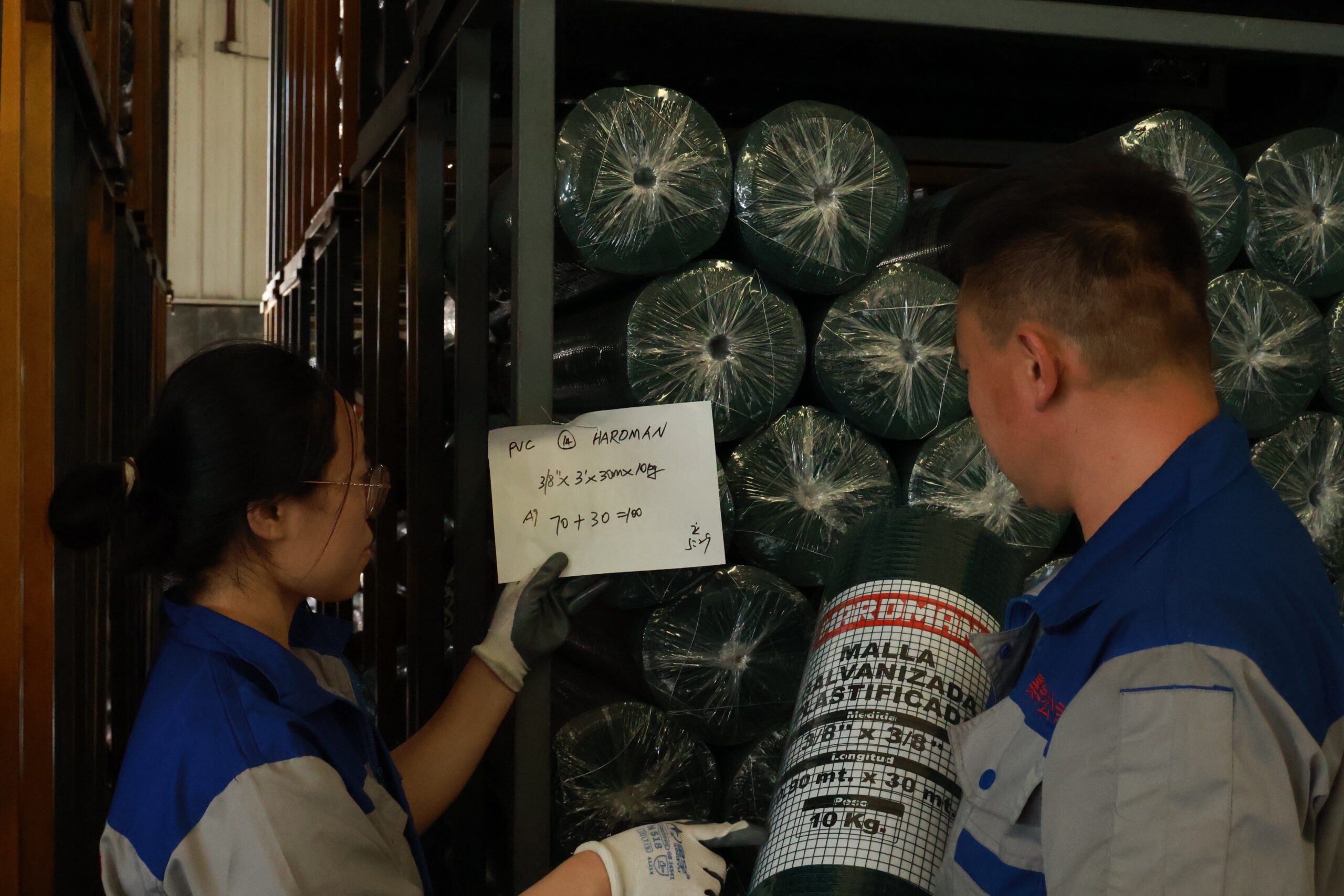
When I work with importers and distributors, I like to use a clear quotation sheet. It reduces back-and-forth messages. It also prevents mistakes before mass production. A buyer may ask for “best price,” but I cannot give a responsible best price without knowing the quality boundary. If I quote too high, I may lose the chance. If I quote too low with missing details, the buyer may face trouble later.
A fair comparison does not need to be complex. It only needs to be complete. I usually suggest this checklist.
| Quotation point | Buyer should confirm | My reason |
|---|---|---|
| Product type | Welded, woven, chain link, hexagonal, screen | Different processes create different costs |
| Wire diameter | Actual diameter and tolerance | Small changes affect steel weight |
| Mesh opening | Center-to-center or clear opening | Misunderstanding changes wire quantity |
| Roll size | Width, length, and roll weight | It affects material and freight |
| Surface treatment | Galvanized, PVC, or other finish | It affects cost and product life |
| Packing | Simple roll, film, label, carton, pallet | It affects resale and damage rate |
| Trade term | FOB, CFR, CIF, DDP if needed | It changes what the price includes |
| Loading plan | Rolls per container and packing size | It affects freight cost per roll |
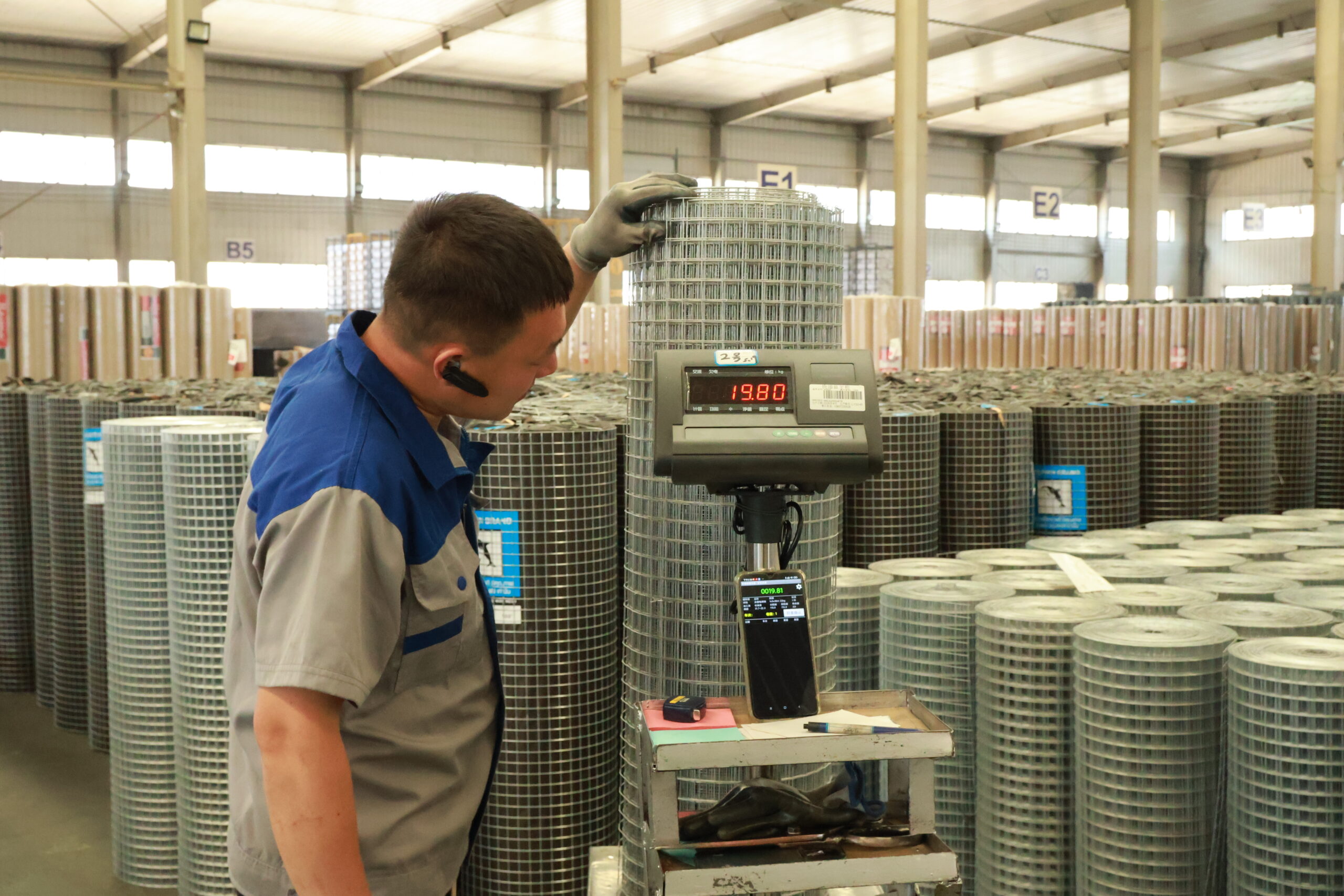
I also suggest asking for unit weight when possible. Unit weight is not the only quality mark, but it helps reveal whether two quotes are close. If one supplier quotes much lower and the unit weight is also lower, the price gap may come from less steel. If the unit weight is the same, then the buyer can look deeper at coating, packaging, payment, delivery time, and factory service.
In my experience, the best buying result comes from clear agreement before production. I prefer to confirm samples, photos, labels, packing marks, and tolerances. I also prefer to record details in the proforma invoice. This protects both sides. It gives the buyer a clear product boundary. It gives the factory a clear production target. When the next repeat order comes, both sides can move faster and with fewer mistakes.
What Hidden Costs Appear In Packaging, Freight, And Trade Terms?
Some quotes look cheap because they stop at the factory gate. The buyer may later pay more for weak packing, poor loading, or unclear delivery terms.
Packaging, freight, and trade terms affect the real landed cost. A quote with stronger packing, better palletizing, clearer labels, or included ocean freight may look higher, but it may reduce damage, handling cost, and resale problems.
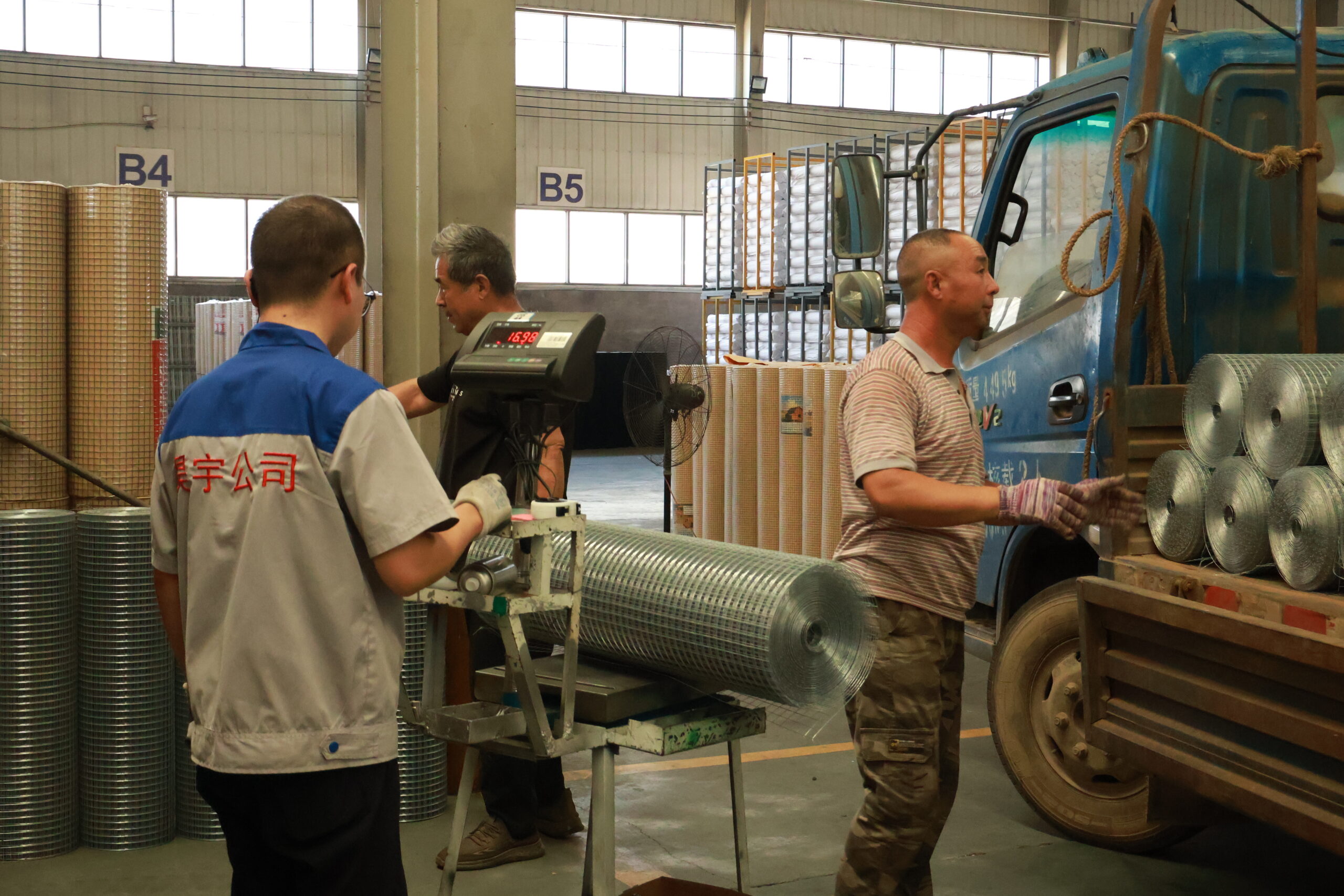
Wire mesh is bulky. Some products are heavy. Some products are light but take much space. So packing and loading matter. For example, welded wire mesh rolls can be packed with waterproof paper, plastic film, woven bag, carton, pallet, or customized labels. Chain link fence may need compact rolls. Window screen may need cartons to protect shape and surface. Hardware cloth may need retail labels if it goes to stores.
A buyer may compare an FOB quote with a CIF quote by mistake. That creates confusion. FOB price usually includes cost to load at the port. CIF includes ocean freight and insurance to the destination port. EXW may exclude inland transport and export handling. These terms change the final cost.
| Cost area | Low-cost choice | Higher-protection choice | What I consider |
|---|---|---|---|
| Roll packing | Simple film or bare roll | Waterproof paper, film, label | Market position and damage risk |
| Pallet use | No pallet | Wooden or metal pallet | Forklift handling and warehouse needs |
| Labeling | No label | Private label or barcode | Distributor and retail needs |
| Container loading | Loose loading | Planned loading by size and weight | Freight cost and unloading safety |
| Trade term | EXW or FOB | CFR or CIF | Buyer’s import experience |
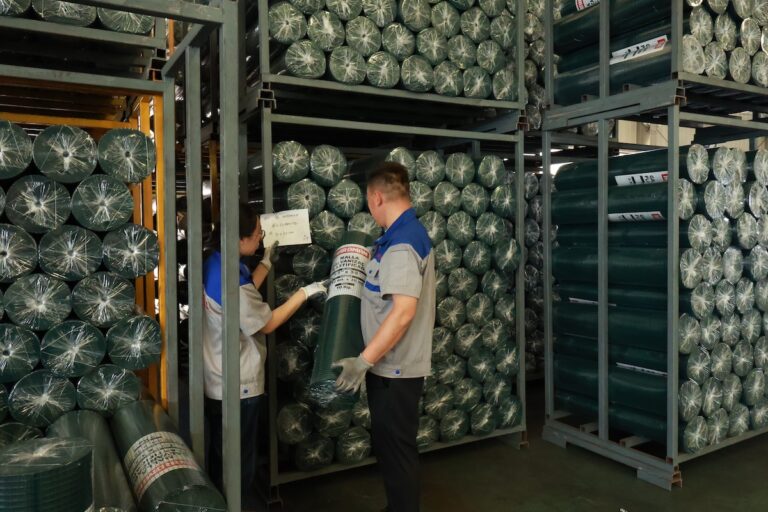
I have seen buyers focus only on product price and forget the cost of damaged rolls. A lower packing standard may be acceptable for some project orders if the mesh is unloaded directly and used quickly. It may not be acceptable for a distributor that stores goods, resells by roll, or supplies hardware stores. Good packing is not always needed, but suitable packing is always needed.
I also check loading quantity. If the roll diameter becomes larger because of loose rolling or thick packing, the container may load fewer rolls. Then the freight cost per roll increases. This is why I do not treat freight as a separate issue. Product size, roll tightness, packing method, and container loading all affect the final landed cost.
Conclusion
A wire mesh quote is only meaningful when the specification is equal. I compare weight, coating, process, packing, and terms before I judge the price.
"structural welded wire reinforcement - Academia.edu", https://www.academia.edu/36574547/STRUCTURAL_WELDED_WIRE_REINFORCEMENT. Technical standards for welded wire products define them by measurable parameters such as wire size, spacing, dimensions, and coating, supporting the point that quotation comparability depends on specification rather than product name alone. Evidence role: general_support; source type: institution. Supports: A technical standard or institutional guide should show that wire mesh products are specified by measurable properties such as wire diameter, spacing, coating, and dimensions.. Scope note: This supports the specification basis of comparison, not the exact pricing behavior of a particular supplier. ↩
"[PDF] ESTIMATING MANUFACTURING COSTS FOR PRE-COMMERCIAL ...", https://www.energy.gov/sites/default/files/2023-01/2022-11-29%20-%20Mfg%20Costs%20PDF%20%281%29_0.pdf. Manufacturing cost-estimation literature treats final product cost as a combination of material inputs, processing operations, yield losses, packaging, and logistics, which contextualizes why wire mesh quotations vary with these specification and delivery factors. Evidence role: general_support; source type: education. Supports: A manufacturing cost-estimation source should support that product cost includes material, processing, scrap or yield loss, packaging, and logistics.. Scope note: The source would provide a general manufacturing-cost framework rather than wire-mesh-specific prices. ↩
"Calculate Wire weight: 0.5mm, mm2, 30m, g, copper", https://ohmslaw.eu/wire_weight/0.5-mm_-mm2-_30-m_-g_copper. Using the standard round-wire mass relationship, mass per unit length is proportional to d²; therefore, changing diameter from 2.0 mm to 1.9 mm gives 1.9²/2.0² = 0.9025, a 9.75% reduction in steel mass when length and material are unchanged. Evidence role: mechanism; source type: education. Supports: A source should support the formula that wire mass per unit length is proportional to diameter squared, allowing the 1.9²/2.0² calculation.. ↩
"Scrap Costs: True Formula, Benchmarks & How to Reduce Them", https://www.symestic.com/en-us/what-is/scrap-costs. Manufacturing-cost references identify scrap, setup activities, process adjustment, inspection, and rejected output as yield-related costs, supporting the claim that production losses must be included beyond raw material cost. Evidence role: mechanism; source type: education. Supports: A manufacturing-cost source should explain that scrap, setup, inspection, and rejected output reduce yield and add cost.. Scope note: This is general manufacturing evidence and does not quantify losses for a specific wire-mesh factory. ↩
"A641/A641M Standard Specification for Zinc–Coated (Galvanized ...", https://www.astm.org/a0641_a0641m-19.html. Galvanized steel-wire standards classify products by wire size and zinc coating mass or class, supporting the statement that galvanized mesh can be supplied with different zinc coating levels. Evidence role: definition; source type: institution. Supports: A galvanized-wire standard should show that zinc coating mass or class is a specified property.. ↩
"Galvanization - Wikipedia", https://en.wikipedia.org/wiki/Galvanization. General references on galvanization distinguish electrogalvanizing, which deposits zinc electrolytically, from hot-dip galvanizing, which coats steel by immersion in molten zinc, supporting the process distinction made for galvanized wire products. Evidence role: definition; source type: encyclopedia. Supports: A neutral reference should define electrogalvanizing and hot-dip galvanizing as different zinc-coating processes.. Scope note: The source would support the process distinction, not the prevalence of each process in the wire-mesh market. ↩
"[PDF] DoD 2013-3557", https://www.waru.edu/sites/default/files/Migrated/CopDocuments/Examination%20of%20Zinc%20Galvanized%20Steel%20Corrosion%20Rates%20in%20Various%20Atmospheric%20and%20Soil%20Exposure%20Conditions.pdf. Corrosion-protection standards and guidance relate zinc coating thickness and galvanizing process to expected corrosion protection and surface characteristics, supporting the claim that coating choices affect appearance and rust resistance. Evidence role: mechanism; source type: institution. Supports: A corrosion or galvanizing source should support that zinc coating thickness and galvanizing method influence corrosion protection and surface characteristics.. Scope note: The source would support performance mechanisms; actual cost differences depend on market prices and supplier processes. ↩
"Effects of UV radiation on natural and synthetic materials - PMC", https://pmc.ncbi.nlm.nih.gov/articles/PMC10088630/. Polymer-weathering research shows that ultraviolet exposure can degrade PVC and that stabilizers are used to improve outdoor durability, supporting the need to consider UV resistance for PVC-coated mesh used outdoors. Evidence role: mechanism; source type: research. Supports: A polymer-weathering source should show that PVC can degrade under ultraviolet exposure and that stabilizers improve outdoor durability.. Scope note: This supports the material mechanism generally and does not prove the UV performance of a particular coating formulation. ↩
"Chapter 4 -Specifications | Procurement | Finance Division", https://procurement.gwu.edu/chapter-4-specifications. Public procurement guidance generally requires bids to be evaluated against the same stated specifications, delivery requirements, and contract terms, supporting the article’s checklist approach to comparing wire-mesh quotations. Evidence role: expert_consensus; source type: government. Supports: A procurement guide should support that bids should be compared against the same technical specifications, tolerances, delivery requirements, and contract terms.. Scope note: The source would provide general procurement principles rather than a wire-mesh-specific purchasing rule. ↩